Track Tech

Ethan Sullivan
| 17-04-2026
 · Vehicle Team
Watching a race car fly around a track, it's easy to get lost in the blur of speed and precision.
Yet, much of what makes that car fast eventually finds its way to the cars we drive on the street.
The challenge for designers is translating extreme performance into something practical and safe for everyday use without losing the thrill. Understanding the differences between racing cars and production models reveals how performance evolves from track to road.
Chassis and Frame Design
Race cars are built with one goal: maximum rigidity and minimal weight. Production vehicles, on the other hand, need durability, crash safety, and comfort.
Key considerations:
- Race chassis use lightweight materials like carbon fiber or aluminum honeycomb structures to reduce weight and improve handling.
- Production cars blend these materials with high-strength steel to meet safety standards and long-term durability.
- Designers incorporate adjustable suspension systems inspired by racing, but tuned for smoother everyday driving.
For instance, a sports coupe might use aluminum front and rear subframes, borrowed from race design, while the passenger cabin uses reinforced steel for safety in daily traffic.
Aerodynamics and Bodywork
Aerodynamics on a race car is about downforce and stability at extreme speeds. Road cars need efficiency, noise reduction, and style.
Design tips:
- Racing cars have prominent wings and splitters; production models use subtle spoilers and diffusers to reduce drag while enhancing appearance.
- Vent placement in racing cars focuses on cooling brakes and engine; road cars incorporate similar ducts for efficiency and visual cues without compromising comfort.
- Active aerodynamic elements, like retractable spoilers, can be adapted from track technology for road-legal speed limits.
A high-performance street car may feature a deployable rear spoiler that extends at highway speeds, increasing stability without affecting low-speed aesthetics.
Powertrain and Engine Adaptation
Engines in race cars prioritize maximum output and responsiveness, often sacrificing fuel efficiency and noise. Production cars need to balance performance, emissions, and longevity.
Strategies:
- Race engines operate at high rev ranges and require frequent maintenance; production engines are detuned for reliability and daily usability.
- Turbocharging or hybrid systems in road cars often derive from racing innovations, providing power boosts without extreme wear.
- Transmission systems, like dual-clutch gearboxes, bring race-inspired quick shifts to smooth, predictable operation for drivers.
For example, a road car might adopt a twin-turbo V6 concept from racing, providing sharp acceleration while maintaining manageable fuel consumption and driveability.
Braking and Suspension Systems
Race cars use highly responsive brakes and stiff suspension for precision cornering. Everyday cars must provide control while remaining comfortable over uneven roads.
Implementation tips:
- Brake systems in production cars may use larger discs and performance pads, inspired by racing, but optimized for longevity and heat management.
- Adjustable dampers from track cars can be adapted to provide sport and comfort modes for daily use.
- Stabilizer bars and chassis tuning derived from racing technology improve handling without making the ride harsh.
A sports sedan, for instance, might feature ventilated brake discs and adaptive shock absorbers, allowing spirited driving on winding roads while keeping passengers comfortable in city traffic.
Interior and Driver Interface
The cockpit of a race car is stripped-down, focused on essential information. Road cars must provide comfort, usability, and a hint of excitement from track-inspired design.
Design approaches:
- Digital clusters in street cars can mimic race telemetry, giving real-time feedback on speed, torque, and gear selection.
- Ergonomic seat positioning inspired by racing improves driver engagement without sacrificing comfort for passengers.
- Material choices, like lightweight racing-style seats with cushioning, merge performance aesthetics with practicality.
A production sports car may have bucket-style seats with extra padding, combined with a digital performance display, giving drivers a sense of track immersion on public roads.
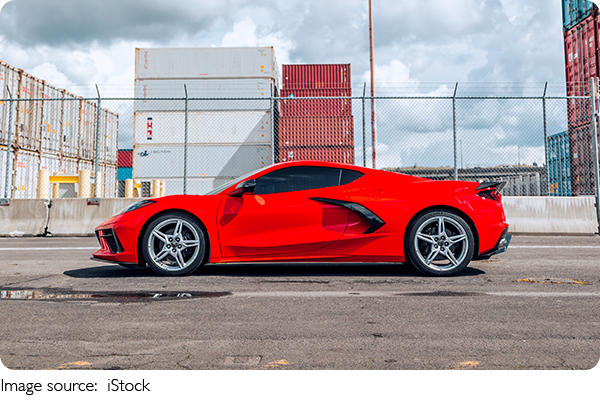
Translating race car principles to production vehicles is a careful balancing act. Designers borrow innovations in chassis, aerodynamics, powertrain, and suspension while adapting them to real-world needs. The result is a car that delivers excitement, handling, and style in everyday life, letting drivers experience a touch of the racetrack on every journey. The thrill of performance is preserved, but practicality ensures it works wherever the road takes you.