Cars as Status Symbols

Santosh Jha
| 29-06-2026
 · Vehicle Team
Hello, Lykkers! Think about the last time you saw a sleek sports car glide down the street or noticed a driver behind the wheel of a massive pickup truck with raised suspension.
You probably didn't just see a vehicle. You saw a message. Cars have never been purely practical machines.
From the early days of motoring, they have carried emotional weight, social meaning, and even a touch of personal mythology. Understanding why cars serve as identity markers requires looking at history, psychology, and the way we navigate social landscapes.
The Historical Roots of Automotive Status
In the early twentieth century, automobiles were rare, expensive, and available only to the wealthy elite. Owning a car immediately signaled affluence and modernity. As mass production made cars accessible to middle-class families, manufacturers responded by creating models that offered more prestige.
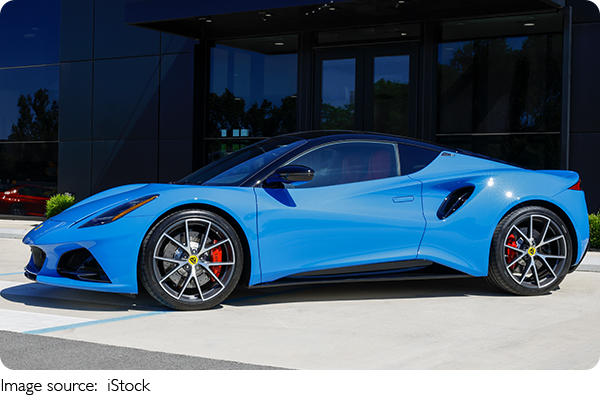
The 1950s saw tailfins and chrome become symbols of optimism and forward progress. Over time, certain brands cultivated an aura of exclusivity. Rolls-Royce and Mercedes-Benz became shorthand for achievement, while sports cars like the Porsche 911 communicated a love for performance and precision. This historical pattern shows that status has always been baked into automotive design.
The Psychology Behind Car Ownership
Psychologists have long noted that people often use possessions to extend their sense of self. A car is one of the most visible and personal items we own. It sits in our driveway, carries us to work, and becomes part of daily routines. When neighbors or colleagues see your vehicle, they form quick impressions based on brand, model, and condition.
This external judgment can reinforce internal identity. For example, someone who chooses a fuel-efficient hybrid may be projecting environmental consciousness, while a driver of a rugged off-roader might emphasize independence and capability. The car becomes a costume we wear on the road.
Modern Manifestations of Status
Today the landscape is more complex. Electric vehicles have introduced new status cues. Driving a premium electric model, like a Tesla or Lucid, signals not only wealth but also technological savvy and environmental awareness. Meanwhile, vintage and classic cars offer a different kind of prestige: one rooted in taste, preservation, and cultural knowledge.
Even within the same brand, trim levels and optional features create hierarchies. A fully loaded version of a popular sedan can communicate a different message than its base counterpart. Custom license plates, custom paint jobs, and aftermarket modifications further personalize the statement.
The Role of Branding and Design
Automakers invest heavily in branding to craft distinct identities. A BMW's kidney grille, a Jeep's seven-slot front, or a Lamborghini's sharp angles all trigger immediate recognition. Design choices are deliberate attempts to evoke emotions: aggression, elegance, adventure, or innovation.
Luxury brands use premium materials, soundproof cabins, and refined ride quality to create an experience that goes beyond transportation. Price tags become part of the message. A car that costs more than a house carries an obvious signal, but even mid-range models can mark status by signaling good judgment, practicality, or trend awareness.
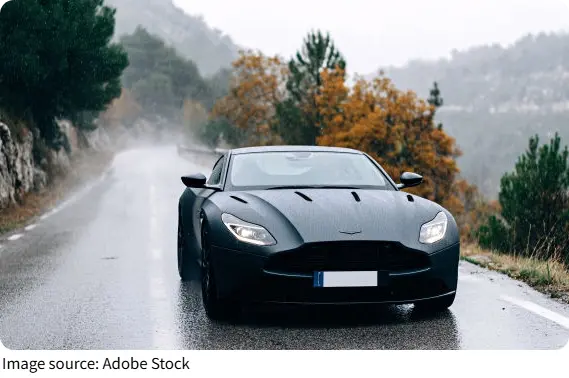
Ultimately, cars are more than tools because they are deeply social objects. They allow us to project who we are or who we want to be. Whether you drive a compact economy car, a family minivan, or a high-performance coupe, your choice reflects priorities and values.
The next time you see a vehicle that catches your eye, consider what story it is telling. And when you get behind the wheel yourself, think about the message your own car sends. It might reveal more about you than you realize.