Autonomous Drive Revolution?

Pardeep Singh
| 29-06-2026
 · Vehicle Team
Hello, Lykkers! We have all heard the bold claims: self-driving cars will eliminate traffic jams, reduce accidents, and give us back hours of commuting time.
However, will autonomous driving really change the way we move from point A to point B as radically as some predict? Let us step back and examine the evidence with a clear head.
The Current State of Technology
Most vehicles on the road today still operate at Level 2 or Level 3 autonomy, meaning they can assist with steering and acceleration but require constant human supervision. Several companies have tested Level 4 robotaxis in limited urban areas, but full Level 5 automation, where a car can drive anywhere under any condition without human input, remains elusive.
The gap between impressive demos and reliable mass deployment is still wide. Weather, unexpected road debris, and complex human interactions continue to challenge sensors and algorithms.
Potential Benefits That Are Realistic
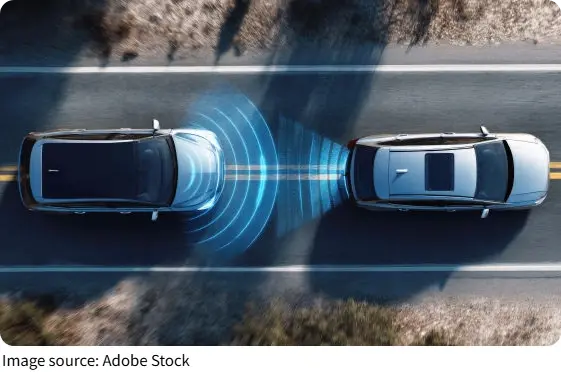
If autonomous systems mature, the most tangible change could be improved safety. Human error contributes to over 90% of crashes, so removing the driver should statistically cut fatalities. Traffic flow could also smooth out, as connected vehicles would coordinate speeds and reduce stop-and-go waves.
For people who cannot drive due to age or disability, self-driving cars would unlock genuine mobility. These are incremental, not revolutionary, improvements that may reshape commuting habits over a decade or two.
Why a Complete Overhaul Is Unlikely
Several structural barriers stand in the way of a total transformation. First, infrastructure upgrades are expensive and slow. Many roads lack clear lane markings or consistent signage. Second, public trust is fragile. High-profile accidents erode confidence, and people are reluctant to hand over control in unpredictable situations.
Third, the economics of ownership may not change dramatically. Shared autonomous fleets could lower per-mile costs, but private ownership of self-driving cars might remain a luxury. Lastly, regulatory frameworks vary by region, creating a patchwork approval process that slows adoption.
How Commuting Might Evolve
A more likely scenario is a gradual hybrid ecosystem. In dense city cores, autonomous shuttles will complement public transit. Suburban commuters may use self-driving features on highways but still take the wheel for local streets.
Ride-hailing services will shift to driverless fleets in select zones, but many households will still want a conventional car for weekend trips or emergencies. The change will feel less like a switch and more like a slow migration, similar to how smartphones took years to become ubiquitous.
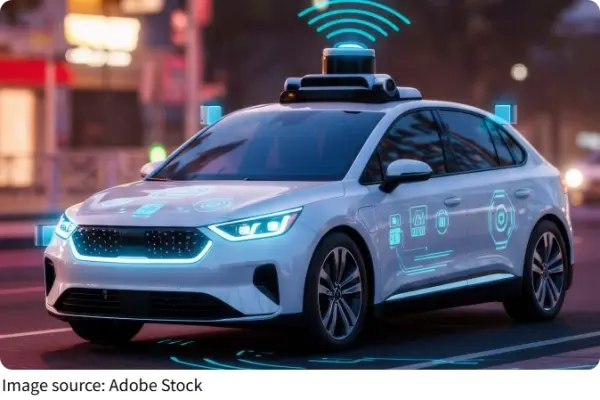
Autonomous driving will undoubtedly alter some aspects of travel, but a complete revolution remains improbable in the near future. The technology works best in controlled conditions and will gradually expand its reach. For now, the smartest bet is to watch the rollout with cautious optimism.
Try to keep an open mind about testing a robotaxi when one appears in your city, but also keep your hands on the wheel for a while longer. The road ahead is long, but it is heading somewhere interesting.